Poolish Pizza Dough
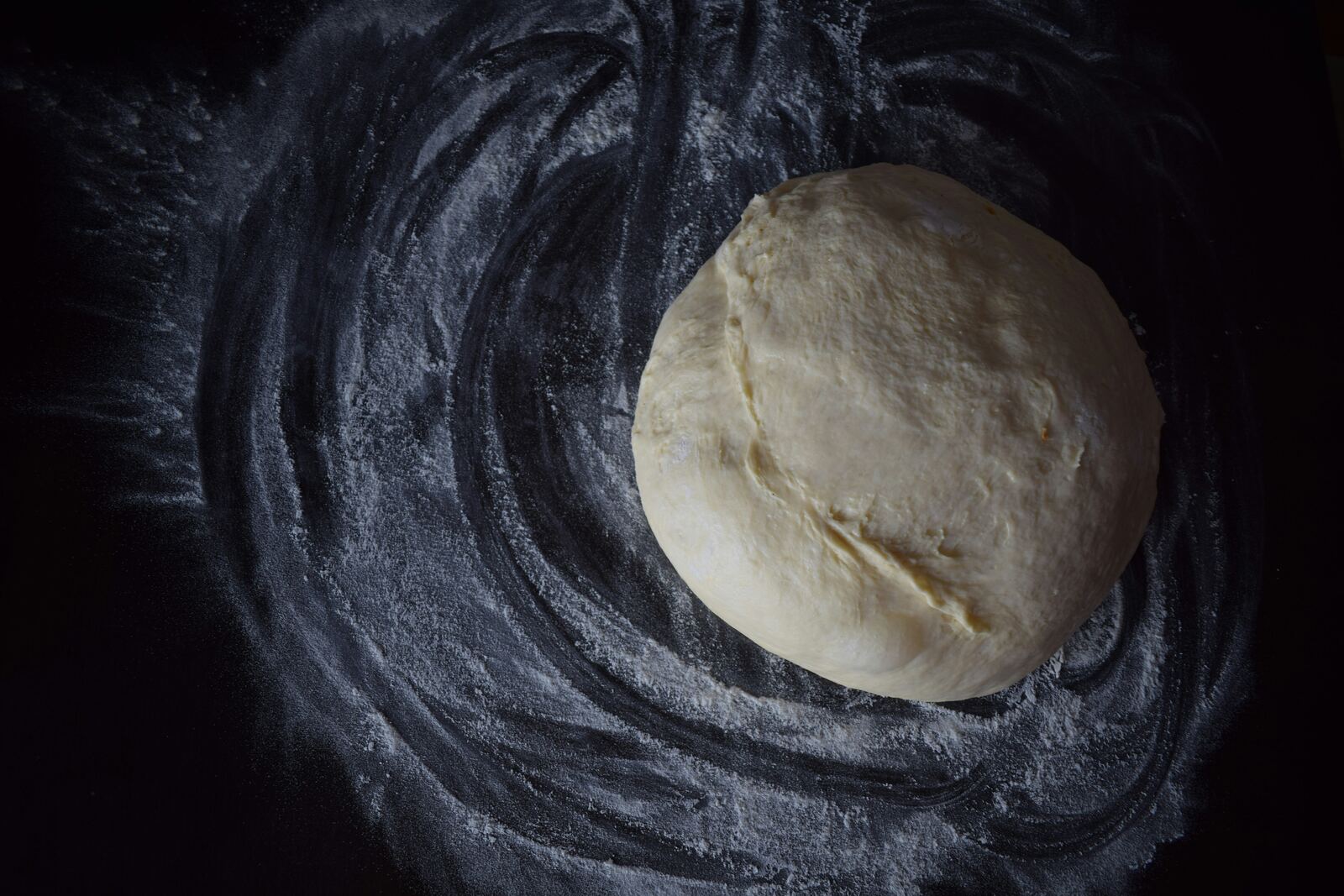
My wife is Italian, so pizza dough gets taken seriously in our house. A poolish means starting two days out, but it builds a flavor that same-day dough never finds.
Ingredients
Poolish
- 150g tipo 00 flour
- 150g water
- 0.5g dried yeast
Final Dough
- 350g tipo 00 flour
- 200g water
- 15g salt
Steps
Day 1: Evening
- 9:00 PM, make the poolish: Combine the poolish flour, water, and yeast in a container and mix until no dry flour remains. Cover loosely and leave at room temperature overnight for 12 hours. Room temperature should ideally be 68–72°F; cooler slows fermentation, warmer accelerates it.
Day 2: Morning
- 9:00 AM, mix the final dough: Add the poolish to a large bowl. Add the remaining 350g flour, 200g water, and 15g salt. Mix until a shaggy dough forms. It will look rough and uneven at this stage.
- 9:30 AM, first fold: Perform a set of stretch-and-folds: grab one side of the dough, stretch it up, and fold it over the center. Rotate the bowl and repeat 3 more times. Cover and rest.
- 10:00 AM, second fold: Repeat the stretch-and-fold sequence.
- 10:30 AM, first form: Turn the dough onto an unfloured surface. Using a bench scraper, drag the mass toward you with short, firm strokes to build surface tension. Let rest 5 minutes.
- 11:00 AM, second form: Repeat the forming step for a tighter, smoother ball.
- 12:00 PM, divide and shape: Divide the dough into individual balls, then shape each piece into a tight ball by folding the edges under and rolling against the surface.
- 3 × twelve-inch pizzas: 338g each
- 2 × sixteen-inch pizzas: 507g each
- 12:10 PM, room-temperature rest: Leave the dough balls uncovered or loosely covered at room temperature.
- 12:40 PM, refrigerate: Transfer to an airtight container or cover tightly with plastic wrap. Refrigerate overnight.
Day 3: Pizza Day
- Warm up: Remove dough from the refrigerator 60–90 minutes before you plan to shape and bake. The dough needs to relax and come to room temperature so it stretches without springing back.
- Shape: Gently press from the center outward with your fingertips, letting gravity do the work. Avoid a rolling pin. It degases the bubbles you’ve spent two days building.
Baker’s percentages
| Weight | % | |
|---|---|---|
| Total flour | 500g | 100% |
| Total water | 350g | 70% |
| Salt | 15g | 3% |
| Yeast | 0.5g | 0.1% |
Notes
- Hydration: The 70% hydration produces an open, airy crumb and a crackly bottom. It’s on the wetter end. Flour your hands lightly when handling.
- On the poolish: The 12-hour fermentation at room temperature develops complex flavor that a same-day dough can’t replicate. After 12 hours the surface should be domed or just starting to fall, with visible bubbles. If it smells sharp or alcoholic, it over-fermented. Use it anyway, but reduce the overnight fridge rest.
- On flour: Tipo 00 is finely milled with a lower bran content, which gives a more elastic, extensible dough. Bread flour works as a substitute but produces a slightly chewier crust.